India’s new CNAP caller-ID system will show Aadhaar or official names on incoming calls. Learn how Jio and other telcos are rolling it out, the benefits for users, privacy concerns, and how to manage it.
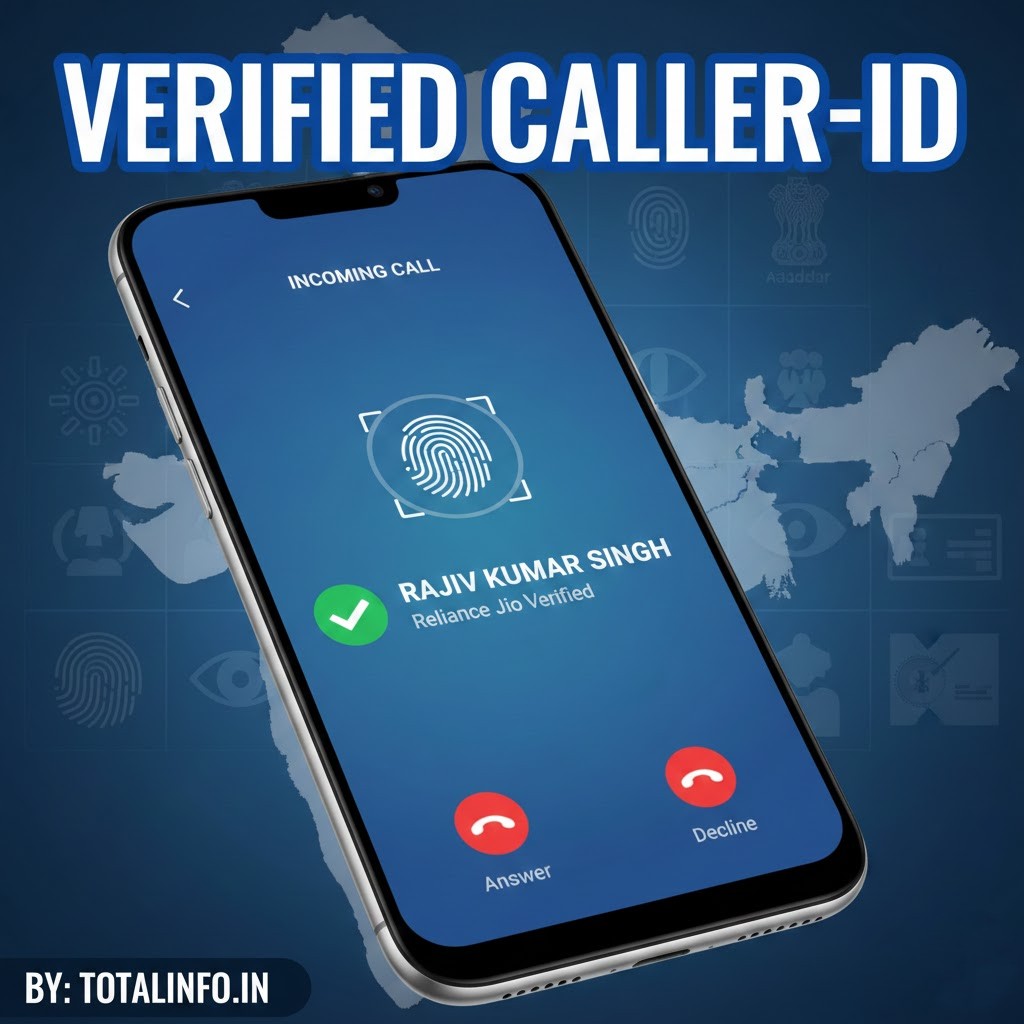
Reliance Jio, along with other major telecom operators in India, has started rolling out a new caller-ID system that shows the verified, official name of the caller on incoming calls. This feature is part of the government-approved Calling Name Presentation (CNAP) framework.
Unlike third-party caller-ID apps that depend on user reports and crowd-sourced data, CNAP displays the name linked to the mobile number during SIM issuance or re-verification. In many cases, this information comes from Aadhaar-based or government-approved KYC records.
The goal is simple: make phone calls more transparent and safer for everyone.
When a SIM card is issued or re-verified, the subscriber’s identity is recorded through KYC. This often includes Aadhaar e-KYC, but may also involve other valid identity documents approved by the government.
The verified name captured during this process becomes the official caller name for that number.
Whenever a call is made, the telecom network matches the calling number with its stored KYC details and passes the verified name along with the call signal. The recipient’s phone then displays this name on the incoming call screen, usually even before the call is answered.
Since this is a network-level feature, it works without any third-party apps and is supported directly by the telecom operator.
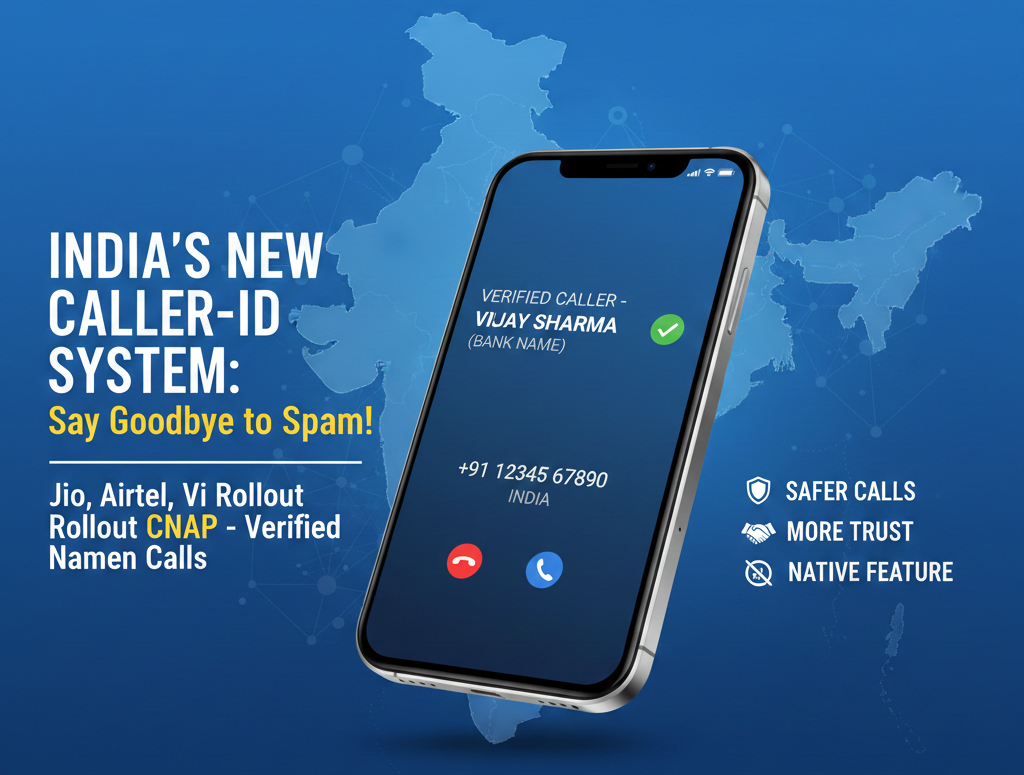
Displaying verified names makes it much harder for scammers to hide behind random or misleading identities. This is especially helpful for senior citizens and users who are less familiar with digital fraud tactics.
Calls from banks, delivery partners, hospitals, service providers, or offices appear more trustworthy when an official name is shown. Users are more likely to answer such calls instead of ignoring unknown numbers.
Since CNAP works through the telecom network itself, users don’t need to install any caller-ID apps. This also reduces dependence on inaccurate or outdated crowd-sourced databases.
For authorities and telecom operators, having KYC-linked caller names improves traceability in cases of misuse, spam, or serious fraud.
Not everyone is comfortable showing their official name to every person they call. Users who prefer nicknames, business identities, or limited disclosure may feel they have less control.
KYC records may contain spelling mistakes, initials, or outdated names. If these details were never corrected, the wrong name may appear on incoming calls.
Telecom operators are expected to manage opt-out options and preferences, but availability may vary during the phased rollout. Users should check with their respective carriers for the latest controls.
The system depends entirely on accurate KYC data. If subscriber details are outdated, the caller name shown will also be incorrect.
If your mobile number was activated or re-verified using Aadhaar or similar KYC methods, your official name may now appear on the phones of people you call, even if they haven’t saved your number.
The rollout is happening in phases, so not all telecom circles will see the feature at the same time. If you suddenly notice verified names appearing on incoming calls, it likely means CNAP has gone live in your area.
Check carrier settings: Look for CNAP or caller-ID options in your Jio, Airtel, or Vi account, or contact customer care for guidance
Keep your KYC updated: Correct any spelling errors or outdated names to avoid confusion
Use saved contacts: On most smartphones, saved contact names still take priority or appear alongside the verified name
Be cautious with sensitive calls: If privacy matters, ask your carrier about opt-out options or limited display settings
India’s CNAP rollout means verified, KYC-linked names, often Aadhaar-based, will increasingly appear on incoming calls. This brings a major boost to call transparency and fraud prevention, but it also highlights the importance of privacy choices and accurate KYC data.
Users should stay informed, review their carrier settings, and update their records as this system becomes the new normal across Indian telecom networks.


Comments
Loading comments...