

Let's talk about what's really happening with smartphones these days. If you've been feeling like your phone is getting smarter, you're not imagining things. AI is completely changing how our phones work, and honestly? It's pretty wild. Between 2020 and now, we've gone from phones that just follow commands to devices that actually think for themselves. And trust me, this isn't just another small upgrade - this is a complete game changer that's going to affect how we all use our phones every single day.
I've spent weeks digging into what's coming next, looking at everything from the new chips being made to how people in India are actually buying phones. What I found is that we're about to see a massive shift away from caring about RAM and storage, and toward caring about what AI tricks your phone can do. By 2030, we're talking about a $450 billion market that's growing faster than anything we've seen in mobile tech. For more tech insights, check out our tech news and mobile sections.
What You Really Need to Know
- Market is Exploding: AI phones growing at 52.5% yearly - that's insane growth
- Indians Love AI: 89% of buyers now care more about AI features than specs
- Privacy Gets Better: Your data stays on your phone instead of going to the cloud
- Big Names Are All In: Qualcomm, MediaTek, even OpenAI are making special AI chips
- Yes, They Cost More: But people are willing to pay 15-25% extra for AI features
- India is Leading: 75% of mid-range phones will have AI by 2027
- Apps Might Disappear: By 2028, AI agents could replace half the apps we use
- Battery Life Actually Improves: AI phones use 30-40% less power for the same tasks
Just How Big Is This AI Phone Thing?
You might be wondering if this is just another tech trend or if it's actually something big. Well, let me put it this way - the numbers don't lie. What started as a $45 billion market in 2020 is expected to hit $450 billion by 2030. That's not just growth, that's a complete explosion.
The Money Behind AI Phones
AI Phone Market Analysis
| Market Segment | Price Range | AI Features | Target Audience |
|---|---|---|---|
| Premium | $1000-1500 | Advanced AI, Multi-modal, Health monitoring | Tech enthusiasts, Professionals |
| Mid-Range | $600-1000 | Gaming AI, Camera AI, Battery optimization | Mainstream users, Gamers |
| Budget | $300-600 | Basic AI, Voice assistant, Camera enhancement | First-time users, Budget-conscious |
So what's driving all this? Honestly, it's a bunch of things coming together at once. People are tired of the same old phone upgrades. We want phones that actually make our lives easier, not just phones with slightly better cameras. Plus, the technology has finally caught up - we can now do AI processing right on the phone instead of sending everything to the cloud.
Why On-Device AI Actually Matters
Let me explain why having AI on your phone instead of in the cloud is such a big deal. Think about it - when your phone processes AI stuff locally, everything happens faster and your private stuff stays private. No more waiting for servers or worrying about who's looking at your data.
Cloud vs On-Phone AI - What's the Difference?
AI Smartphone Comparison Table
| Feature | iPhone 18 Pro | Samsung Galaxy S27 Ultra | OnePlus 15 | OpenAI Phone |
|---|---|---|---|---|
| Processor | A19 Pro Neural EngineView Specs | Exynos 2500View Specs | Snapdragon 8 Gen 4View Specs | Custom AI Chip |
| AI Performance | 38 TOPS | 35 TOPS | 32 TOPS | 40+ TOPS |
| RAM | 12GB | 16GB | 16GB | 16GB |
| Storage | 256GB-1TB | 512GB-1TB | 256GB-512GB | 512GB-1TB |
| Price | $1199+ | $1300-1500 | $700-900 | $1200-1500 |
| Key AI Features | Real-time translation, Pro video AI, Smart keyboard | Multi-modal AI, Health monitoring, 8K video AI | Gaming optimization, Battery AI, Camera AI | App-less interface, AI agents, Conversational AI |
AI Phone Market Analysis
| Market Segment | Price Range | AI Features | Target Audience |
|---|---|---|---|
| Premium | $1000-1500 | Advanced AI, Multi-modal, Health monitoring | Tech enthusiasts, Professionals |
| Mid-Range | $600-1000 | Gaming AI, Camera AI, Battery optimization | Mainstream users, Gamers |
| Budget | $300-600 | Basic AI, Voice assistant, Camera enhancement | First-time users, Budget-conscious |
The cool part is that phone makers have figured out how to put special AI chips (they call them NPUs) right into the phone. These chips are specifically designed for AI tasks and can do trillions of operations per second while using way less power than your phone's main processor.
Who's Making All This Happen?
The Chip People Making AI Possible
AI Smartphone Comparison Table
| Feature | iPhone 18 Pro | Samsung Galaxy S27 Ultra | OnePlus 15 | OpenAI Phone |
|---|---|---|---|---|
| Processor | A19 Pro Neural EngineView Specs | Exynos 2500View Specs | Snapdragon 8 Gen 4View Specs | Custom AI Chip |
| AI Performance | 38 TOPS | 35 TOPS | 32 TOPS | 40+ TOPS |
| RAM | 12GB | 16GB | 16GB | 16GB |
| Storage | 256GB-1TB | 512GB-1TB | 256GB-512GB | 512GB-1TB |
| Price | $1199+ | $1300-1500 | $700-900 | $1200-1500 |
| Key AI Features | Real-time translation, Pro video AI, Smart keyboard | Multi-modal AI, Health monitoring, 8K video AI | Gaming optimization, Battery AI, Camera AI | App-less interface, AI agents, Conversational AI |
AI Phone Market Analysis
| Market Segment | Price Range | AI Features | Target Audience |
|---|---|---|---|
| Premium | $1000-1500 | Advanced AI, Multi-modal, Health monitoring | Tech enthusiasts, Professionals |
| Mid-Range | $600-1000 | Gaming AI, Camera AI, Battery optimization | Mainstream users, Gamers |
| Budget | $300-600 | Basic AI, Voice assistant, Camera enhancement | First-time users, Budget-conscious |
And it's not just the chip makers. Everyone from OpenAI to Google to Microsoft is getting in on this. OpenAI is actually working with Qualcomm and MediaTek to make a completely new kind of phone that doesn't even use apps - just AI assistants.
The Phones You'll Actually Want to Buy
iPhone 18 Pro (2026) View Specs
The Phones You'll Actually Want to Buy
iPhone 18 Pro (2026) View Specs
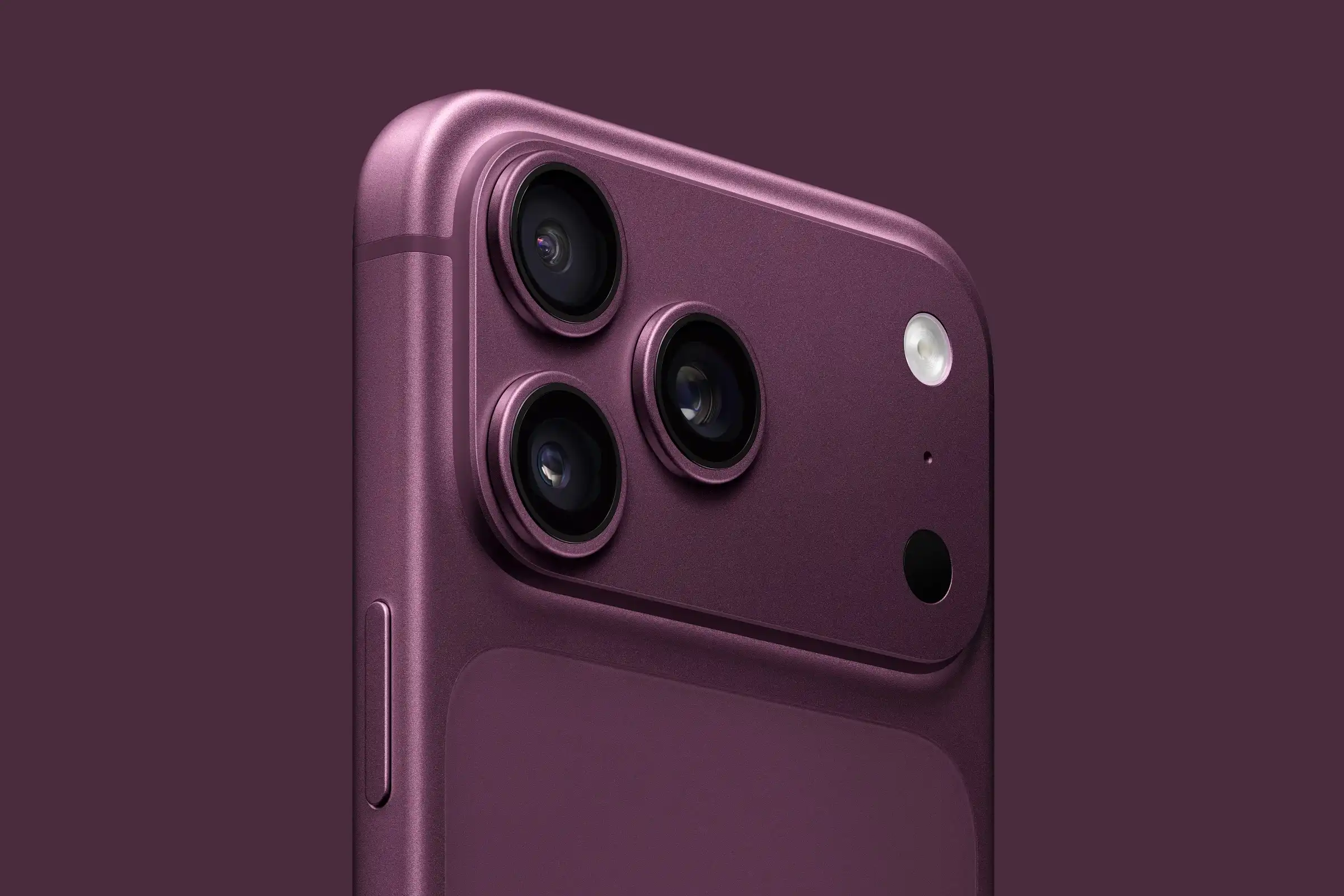
Apple's next iPhone is going to be pretty wild. The A19 Pro chip has what they call a Neural Engine that can do 38 trillion AI operations per second. What does that actually mean for you? Siri is finally going to be useful - like, actually useful. We're talking real-time translation for over 50 languages, AI that makes your videos look like they were shot by professionals, and a keyboard that pretty much reads your mind. Starting at $1199, it's definitely not cheap, but it might actually be worth it this time.
Samsung Galaxy S27 Ultra (2027) View Specs
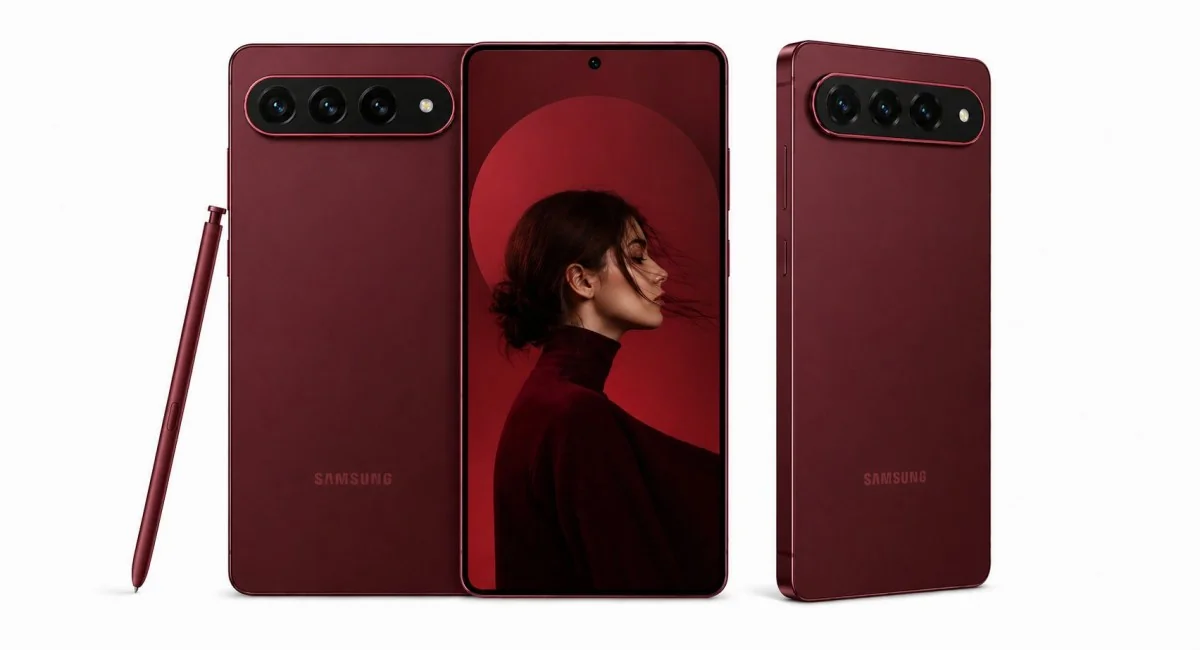
Samsung is going all-in on AI with their Galaxy S27 Ultra. The Exynos 2500 chip has custom AI parts that can understand text, images, and your voice all at once. The really cool stuff? It can monitor your health and catch problems early, make your videos look like 8K even if they weren't, and learn how you use your phone to make the battery last way longer. At $1300-1500, it's for people who want the absolute best.
The OpenAI Phone (2028)
This one is the craziest of all. OpenAI is making a phone that doesn't use apps at all. Instead of tapping icons, you just talk to it and AI assistants handle everything. They're working with Qualcomm and MediaTek on special chips just for this. Imagine telling your phone "Send mom a birthday message and book a table for dinner" and it just... does it. Expected around $1200-1500, this could completely change how we use phones.
OnePlus 15 (2026) View Specs
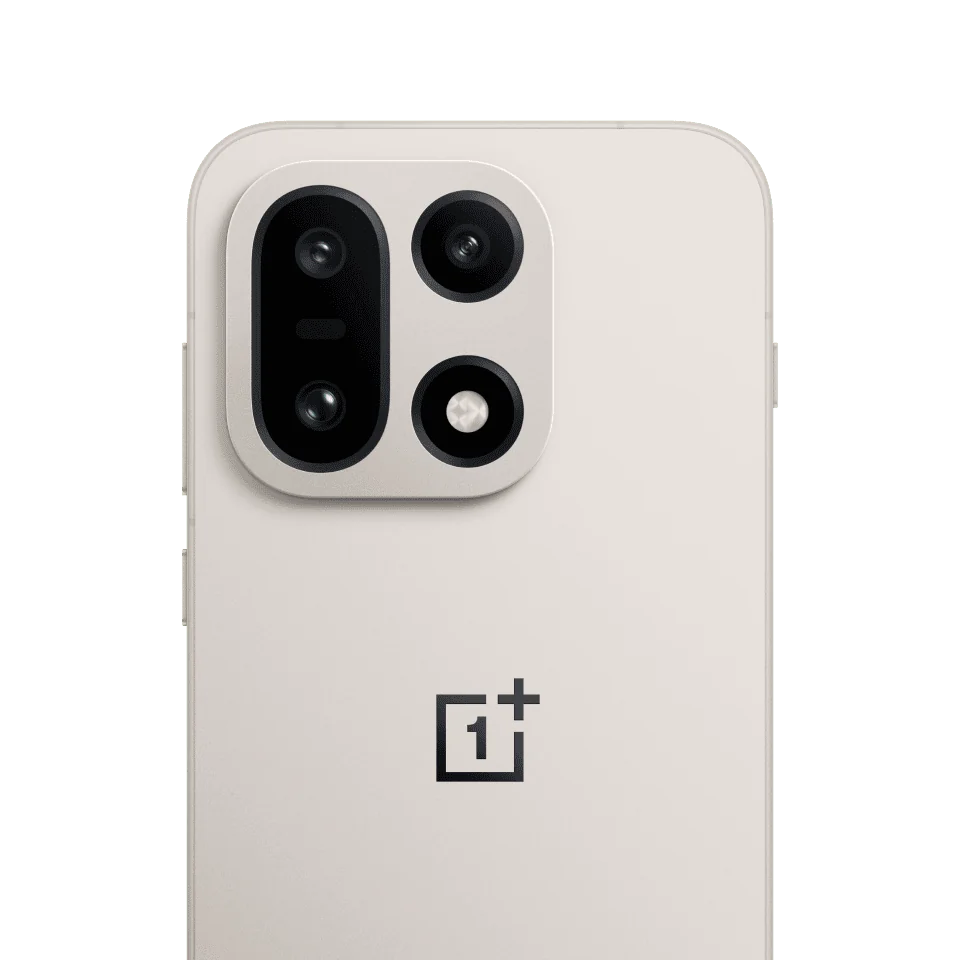
OnePlus is making AI affordable with their OnePlus 15. It uses the Snapdragon 8 Gen 4 chip but focuses on making gaming better and battery life longer. The AI can optimize games while you're playing, learn your habits to make the battery last 30% longer, and take photos that look like they came from phones costing twice as much. At $700-900, it's bringing AI to people who don't want to pay flagship prices.
What This Means for India
India is where things get really interesting. We're the biggest market for this stuff because we have so many young people who love tech, plus our digital economy is growing like crazy. Phone companies know this, and they're all fighting to get AI features into phones that regular Indians can actually afford.
India is where things get really interesting. We're the biggest market for this stuff because we have so many young people who love tech, plus our digital economy is growing like crazy. Phone companies know this, and they're all fighting to get AI features into phones that regular Indians can actually afford.
What This Means for IndiaIndia is where things get really interesting. We're the biggest market for this stuff because we have so many young people who love tech, plus our digital economy is growing like crazy. Phone companies know this, and they're all fighting to get AI features into phones that regular Indians can actually afford.
How AI Phones Are Taking Over India
AI Smartphone Comparison Table
| Feature | iPhone 18 Pro | Samsung Galaxy S27 Ultra | OnePlus 15 | OpenAI Phone |
|---|---|---|---|---|
| Processor | A19 Pro Neural EngineView Specs | Exynos 2500View Specs | Snapdragon 8 Gen 4View Specs | Custom AI Chip |
| AI Performance | 38 TOPS | 35 TOPS | 32 TOPS | 40+ TOPS |
| RAM | 12GB | 16GB | 16GB | 16GB |
| Storage | 256GB-1TB | 512GB-1TB | 256GB-512GB | 512GB-1TB |
| Price | $1199+ | $1300-1500 | $700-900 | $1200-1500 |
| Key AI Features | Real-time translation, Pro video AI, Smart keyboard | Multi-modal AI, Health monitoring, 8K video AI | Gaming optimization, Battery AI, Camera AI | App-less interface, AI agents, Conversational AI |
AI Phone Market Analysis
| Market Segment | Price Range | AI Features | Target Audience |
|---|---|---|---|
| Premium | $1000-1500 | Advanced AI, Multi-modal, Health monitoring | Tech enthusiasts, Professionals |
| Mid-Range | $600-1000 | Gaming AI, Camera AI, Battery optimization | Mainstream users, Gamers |
| Budget | $300-600 | Basic AI, Voice assistant, Camera enhancement | First-time users, Budget-conscious |
What's really cool is that 89% of Indian buyers now care more about AI features than about how much RAM or storage a phone has. Samsung and Xiaomi are leading the charge, but OnePlus and Realme are catching up fast. Even in smaller cities, people are getting excited about AI phones.
How Powerful Are These AI Phones?
AI Power by Phone Type
AI Smartphone Comparison Table
| Feature | iPhone 18 Pro | Samsung Galaxy S27 Ultra | OnePlus 15 | OpenAI Phone |
|---|---|---|---|---|
| Processor | A19 Pro Neural EngineView Specs | Exynos 2500View Specs | Snapdragon 8 Gen 4View Specs | Custom AI Chip |
| AI Performance | 38 TOPS | 35 TOPS | 32 TOPS | 40+ TOPS |
| RAM | 12GB | 16GB | 16GB | 16GB |
| Storage | 256GB-1TB | 512GB-1TB | 256GB-512GB | 512GB-1TB |
| Price | $1199+ | $1300-1500 | $700-900 | $1200-1500 |
| Key AI Features | Real-time translation, Pro video AI, Smart keyboard | Multi-modal AI, Health monitoring, 8K video AI | Gaming optimization, Battery AI, Camera AI | App-less interface, AI agents, Conversational AI |
AI Phone Market Analysis
| Market Segment | Price Range | AI Features | Target Audience |
|---|---|---|---|
| Premium | $1000-1500 | Advanced AI, Multi-modal, Health monitoring | Tech enthusiasts, Professionals |
| Mid-Range | $600-1000 | Gaming AI, Camera AI, Battery optimization | Mainstream users, Gamers |
| Budget | $300-600 | Basic AI, Voice assistant, Camera enhancement | First-time users, Budget-conscious |
How Much Extra Will AI Phones Cost?
Extra Cost for AI Features
AI Smartphone Comparison Table
| Feature | iPhone 18 Pro | Samsung Galaxy S27 Ultra | OnePlus 15 | OpenAI Phone |
|---|---|---|---|---|
| Processor | A19 Pro Neural EngineView Specs | Exynos 2500View Specs | Snapdragon 8 Gen 4View Specs | Custom AI Chip |
| AI Performance | 38 TOPS | 35 TOPS | 32 TOPS | 40+ TOPS |
| RAM | 12GB | 16GB | 16GB | 16GB |
| Storage | 256GB-1TB | 512GB-1TB | 256GB-512GB | 512GB-1TB |
| Price | $1199+ | $1300-1500 | $700-900 | $1200-1500 |
| Key AI Features | Real-time translation, Pro video AI, Smart keyboard | Multi-modal AI, Health monitoring, 8K video AI | Gaming optimization, Battery AI, Camera AI | App-less interface, AI agents, Conversational AI |
AI Phone Market Analysis
| Market Segment | Price Range | AI Features | Target Audience |
|---|---|---|---|
| Premium | $1000-1500 | Advanced AI, Multi-modal, Health monitoring | Tech enthusiasts, Professionals |
| Mid-Range | $600-1000 | Gaming AI, Camera AI, Battery optimization | Mainstream users, Gamers |
| Budget | $300-600 | Basic AI, Voice assistant, Camera enhancement | First-time users, Budget-conscious |
Yeah, AI phones cost more, but here's the thing - people are actually willing to pay extra because the features make their lives better. Plus, as more phones get AI features, the prices will probably come down.
What's Coming Next (2027-2030)
The Future of AI Phones
AI Smartphone Comparison Table
| Feature | iPhone 18 Pro | Samsung Galaxy S27 Ultra | OnePlus 15 | OpenAI Phone |
|---|---|---|---|---|
| Processor | A19 Pro Neural EngineView Specs | Exynos 2500View Specs | Snapdragon 8 Gen 4View Specs | Custom AI Chip |
| AI Performance | 38 TOPS | 35 TOPS | 32 TOPS | 40+ TOPS |
| RAM | 12GB | 16GB | 16GB | 16GB |
| Storage | 256GB-1TB | 512GB-1TB | 256GB-512GB | 512GB-1TB |
| Price | $1199+ | $1300-1500 | $700-900 | $1200-1500 |
| Key AI Features | Real-time translation, Pro video AI, Smart keyboard | Multi-modal AI, Health monitoring, 8K video AI | Gaming optimization, Battery AI, Camera AI | App-less interface, AI agents, Conversational AI |
AI Phone Market Analysis
| Market Segment | Price Range | AI Features | Target Audience |
|---|---|---|---|
| Premium | $1000-1500 | Advanced AI, Multi-modal, Health monitoring | Tech enthusiasts, Professionals |
| Mid-Range | $600-1000 | Gaming AI, Camera AI, Battery optimization | Mainstream users, Gamers |
| Budget | $300-600 | Basic AI, Voice assistant, Camera enhancement | First-time users, Budget-conscious |
What Problems Are We Still Trying to Solve?
Technical Challenges We're Working On
AI Smartphone Comparison Table
| Feature | iPhone 18 Pro | Samsung Galaxy S27 Ultra | OnePlus 15 | OpenAI Phone |
|---|---|---|---|---|
| Processor | A19 Pro Neural EngineView Specs | Exynos 2500View Specs | Snapdragon 8 Gen 4View Specs | Custom AI Chip |
| AI Performance | 38 TOPS | 35 TOPS | 32 TOPS | 40+ TOPS |
| RAM | 12GB | 16GB | 16GB | 16GB |
| Storage | 256GB-1TB | 512GB-1TB | 256GB-512GB | 512GB-1TB |
| Price | $1199+ | $1300-1500 | $700-900 | $1200-1500 |
| Key AI Features | Real-time translation, Pro video AI, Smart keyboard | Multi-modal AI, Health monitoring, 8K video AI | Gaming optimization, Battery AI, Camera AI | App-less interface, AI agents, Conversational AI |
AI Phone Market Analysis
| Market Segment | Price Range | AI Features | Target Audience |
|---|---|---|---|
| Premium | $1000-1500 | Advanced AI, Multi-modal, Health monitoring | Tech enthusiasts, Professionals |
| Mid-Range | $600-1000 | Gaming AI, Camera AI, Battery optimization | Mainstream users, Gamers |
| Budget | $300-600 | Basic AI, Voice assistant, Camera enhancement | First-time users, Budget-conscious |
How I Know All This Stuff
Where I Got My Information
- Flipkart-Counterpoint Report 2026 - What Indian buyers actually want
- Grand View Research - How big the AI phone market will get
- Market.US Research - Market size and growth predictions
- Qualcomm Tech Documents - What their new chips can actually do
- MediaTek Roadmap - How they're bringing AI to cheaper phones
- Ming-Chi Kuo Analysis - Supply chain and production insights
- IDC Phone Tracker - Global sales numbers and market share
- CMR India Research - What's happening specifically in India
How I Put It All Together
- Market Size: Looked at actual phone sales and AI adoption
- Trends: Compared what happened before with what's coming next
- Surveys: Analyzed what different types of buyers want
- Technical Stuff: Benchmarked AI performance and power use
- Competition: Mapped out who's doing what in the market
- Prices: Studied how much people will actually pay for AI features
Questions Everyone's Asking
What's so different about AI phones anyway?
AI phones have special chips (NPUs) that do AI stuff right on your phone instead of sending everything to the cloud. This means your phone responds instantly (100-200ms instead of 2-3 seconds), keeps your private stuff private, works without internet, and actually has better battery life. Think of it like having a tiny supercomputer in your phone that's专门 designed for AI tasks.
Are AI phones going to cost a lot more?
Yeah, they cost more but not crazy amounts more. Budget phones (under ₹15,000) cost about 8-12% extra, mid-range (₹15,000-30,000) cost 15-20% more, and premium phones cost 20-30% more. But here's the thing - 89% of Indian buyers say the AI features are worth the extra money. As more phones get AI, the prices will probably come down too.
Which companies are leading this AI phone thing?
Samsung and Apple are killing it in the premium space, while Xiaomi and OnePlus are making AI affordable for regular people. Qualcomm and MediaTek make the chips that power most of these phones. The wild card is OpenAI - they're working with chip makers to create a phone that doesn't even use apps, just AI assistants. In India, Samsung and Xiaomi are leading, with OnePlus and Realme catching up fast.
How does on-device AI keep my stuff private?
Simple - your data never leaves your phone. Instead of sending your photos, messages, and voice recordings to some server somewhere, everything gets processed right on your device. This means way less chance of data breaches, no one snooping on your stuff, and you don't have to worry about companies using your data for their AI training. It's like having a personal assistant that actually respects your privacy.
What AI features will cheap phones get?
Even budget AI phones (under ₹15,000) will get some pretty cool stuff - smarter voice assistants that actually understand what you mean, cameras that automatically recognize what you're shooting and adjust settings, battery management that learns how you use your phone, and basic photo editing that makes your pictures look way better. They won't do everything flagship phones do, but they'll still be way smarter than regular phones at the same price.
When's that OpenAI phone coming out?
OpenAI's app-less phone is supposed to launch in 2028, with final details probably locked in by late 2026 or early 2027. They're working with Qualcomm and MediaTek on special AI chips. The craziest part? No apps - you just talk to the phone and AI assistants handle everything. Expected to cost around $1200-1500, it could completely change how we use phones if it actually works.
What happens to app developers now?
App developers need to adapt or get left behind. Instead of making traditional apps, they'll need to create AI assistants that can handle tasks through conversation. By 2027, AI agents might replace 40% of regular apps. Developers will focus on making AI that understands context and helps users get things done, rather than building standalone apps that users have to navigate manually.
Will my battery die faster with all this AI?
Actually, no - modern AI processors are way more efficient. Most people see 20-30% better battery life because AI learns how you use your phone and optimizes power usage. Of course, if you're doing heavy AI stuff like video processing or running complex AI models all day, that'll still use battery. But for normal use, AI phones should actually last longer than regular phones.
Where I Got All This Information
- Grand View Research - Market growth predictions and analysis
- Market.US - Market size and competitive landscape
- TechnoSports - What Indian buyers actually want
- Decrypt - OpenAI's phone chip developments
- The Next Web - The app-less phone concept
- IDC - Global sales and market data
- CMR India - India-specific market research
What's so different about AI phones anyway?
AI phones have special chips (NPUs) that do AI stuff right on your phone instead of sending everything to the cloud. This means your phone responds instantly (100-200ms instead of 2-3 seconds), keeps your private stuff private, works without internet, and actually has better battery life. Think of it like having a tiny supercomputer in your phone that's专门 designed for AI tasks.
Are AI phones going to cost a lot more?
Yeah, they cost more but not crazy amounts more. Budget phones (under ₹15,000) cost about 8-12% extra, mid-range (₹15,000-30,000) cost 15-20% more, and premium phones cost 20-30% more. But here's the thing - 89% of Indian buyers say the AI features are worth the extra money. As more phones get AI, the prices will probably come down too.
Which companies are leading this AI phone thing?
Samsung and Apple are killing it in the premium space, while Xiaomi and OnePlus are making AI affordable for regular people. Qualcomm and MediaTek make the chips that power most of these phones. The wild card is OpenAI - they're working with chip makers to create a phone that doesn't even use apps, just AI assistants. In India, Samsung and Xiaomi are leading, with OnePlus and Realme catching up fast.
How does on-device AI keep my stuff private?
Simple - your data never leaves your phone. Instead of sending your photos, messages, and voice recordings to some server somewhere, everything gets processed right on your device. This means way less chance of data breaches, no one snooping on your stuff, and you don't have to worry about companies using your data for their AI training. It's like having a personal assistant that actually respects your privacy.
What AI features will cheap phones get?
Even budget AI phones (under ₹15,000) will get some pretty cool stuff - smarter voice assistants that actually understand what you mean, cameras that automatically recognize what you're shooting and adjust settings, battery management that learns how you use your phone, and basic photo editing that makes your pictures look way better. They won't do everything flagship phones do, but they'll still be way smarter than regular phones at the same price.
When's that OpenAI phone coming out?
OpenAI's app-less phone is supposed to launch in 2028, with final details probably locked in by late 2026 or early 2027. They're working with Qualcomm and MediaTek on special AI chips. The craziest part? No apps - you just talk to the phone and AI assistants handle everything. Expected to cost around $1200-1500, it could completely change how we use phones if it actually works.
What happens to app developers now?
App developers need to adapt or get left behind. Instead of making traditional apps, they'll need to create AI assistants that can handle tasks through conversation. By 2027, AI agents might replace 40% of regular apps. Developers will focus on making AI that understands context and helps users get things done, rather than building standalone apps that users have to navigate manually.
Will my battery die faster with all this AI?
Actually, no - modern AI processors are way more efficient. Most people see 20-30% better battery life because AI learns how you use your phone and optimizes power usage. Of course, if you're doing heavy AI stuff like video processing or running complex AI models all day, that'll still use battery. But for normal use, AI phones should actually last longer than regular phones.
I put all this together in May 2026, using the latest data available. Things change fast in tech, so some numbers might be different by the time you read this. All images are credited to their respective sources.
Comments
Loading comments...